
Round Rock Home Loans, Planned Before You Shop
We help buyers, veterans, self-employed borrowers and investors line up the right home loan early. That covers conventional, FHA, VA and USDA loans, plus HELOCs, bridge loans, bank statement loans and hard money. From Round Rock to Pflugerville, we start with your numbers, not a sales pitch.
- NMLS licensed for 10 years
- Office, phone or video meetings
- Written loan estimates
- Plans built months ahead
Home Loans for Buying, Refinancing and Tapping Equity
We have been NMLS licensed for 10 years, and most of that time has gone into one thing: matching borrowers to the loan that fits them. First-time buyers often land on FHA or conventional loans. Veterans should look hard at VA loans, and buyers on the rural edges of the metro may qualify for USDA loans. Self-employed borrowers, investors and people who already own property have other tools, like bank statement loans, hard money, bridge loans and a HELOC.

Conventional Loans
A standard home loan for buyers with steady income and fair credit, with down payment and mortgage insurance options laid out before you shop.

FHA Loans
A government-backed home loan with a small down payment and room for imperfect credit, planned out with you before you make an offer.

VA Loans
VA home loans for veterans, service members and eligible surviving spouses, with eligibility, funding fee and payment sorted out before you shop.
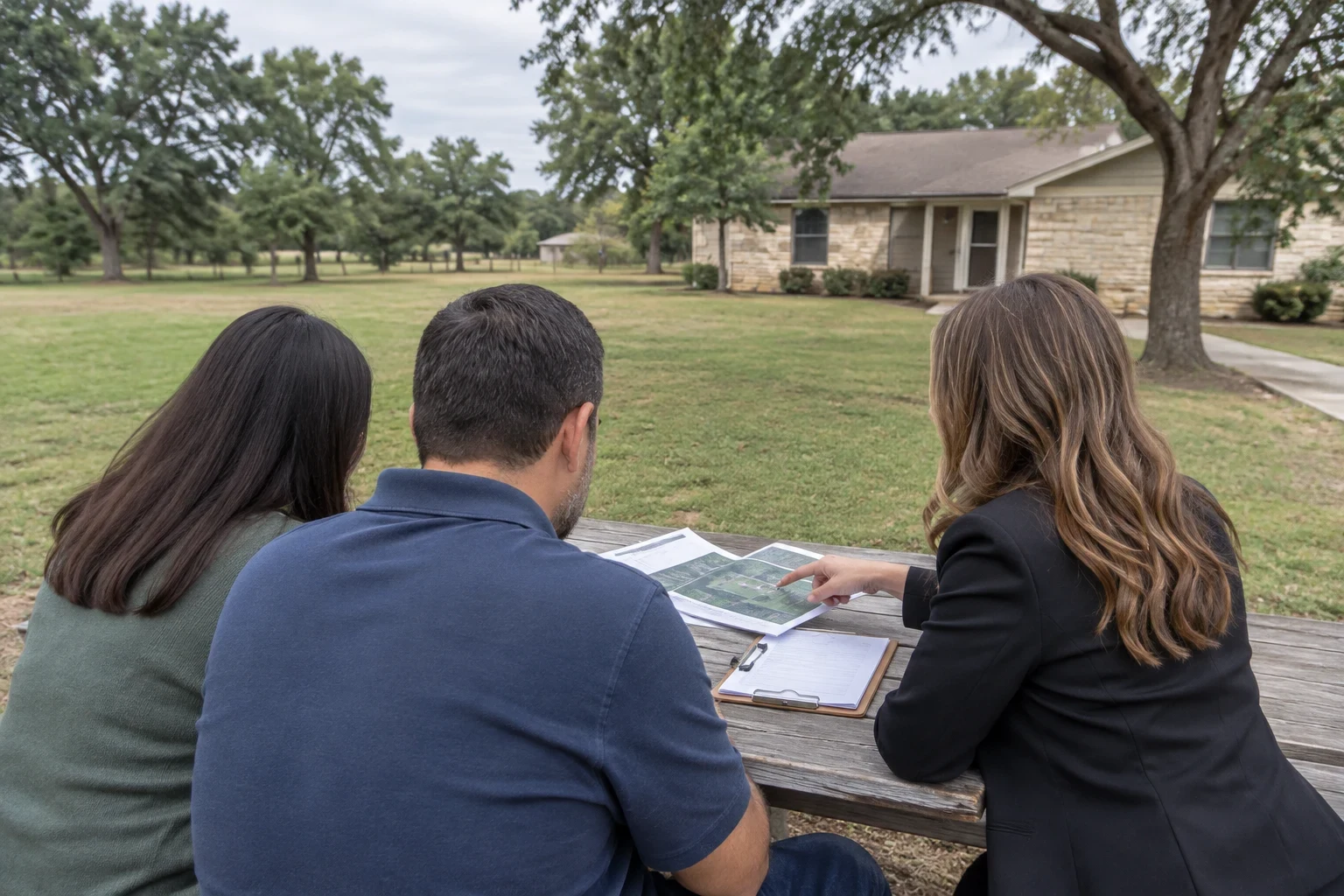
USDA Loans
A no-down-payment home loan for eligible areas and moderate incomes, with the address and income checks done before you make an offer.

HELOC
A home equity line of credit you set up early, so the money is there when a big project or bill comes due.

Hard Money Loans
Short-term, asset-based financing for investors who need to buy and rehab a property faster than a bank loan allows.

Bank Statement Loans
For self-employed borrowers whose tax returns undersell their income: qualify on 12 or 24 months of bank deposits instead.

Bridge Loans
Short-term financing that taps the equity in the property you own now, so you can buy the next one without waiting for a sale to close.
What Moves Your Rate and Closing Costs
No two loans price the same. Your rate and fees come from a handful of things you can see and, with some lead time, often improve. Here is what we look at first.
We give you a written loan estimate once we have your application and the property details. It spells out each fee so you can compare it line by line.
- Credit score
- A higher score usually means a better rate. Paying down revolving balances a few months before you apply can move your score more than people expect.
- Down payment and equity
- More money down lowers the loan amount and can drop or shorten mortgage insurance. For refinances and HELOCs, the equity you hold plays the same role.
- Loan type
- FHA, VA, USDA and conventional loans each have their own fees and insurance rules. Bank statement, bridge and hard money loans cost more because the lender takes on more risk or moves faster.
- Property type and use
- A house you live in prices differently than a rental, a duplex or a condo. Investment property almost always carries a higher rate.
- Taxes and insurance
- Texas property taxes are high, and they land in your monthly payment through escrow. We build them into your budget early so the payment you plan for is the payment you get.
- Points and rate lock timing
- You can pay points to buy down the rate or skip them and keep more cash. When you lock, and for how long, also affects what you pay.
Why Borrowers Start With Us Early
Most loan trouble comes from rushing. We do the slow, boring work up front so closing week is quiet.
- 01
We look at your file before you shop
We pull credit, look at income and count the cash you have for a down payment and closing. If something needs fixing, like a high card balance or a gap in work history, you hear about it months ahead, not the week of your offer.
- 02
Straight answers on which loan fits
Some borrowers come in set on one loan type. If another one costs less over time, we say so and show the math side by side.
- 03
Line-item estimates in writing
You get a written loan estimate that lists the rate, the fees and the cash you will need at closing. If a number changes later, we tell you why.
- 04
One loan officer from start to finish
The person who takes your loan application is the person you call with questions. You won't get passed around.
- 05
Meet the way that works for you
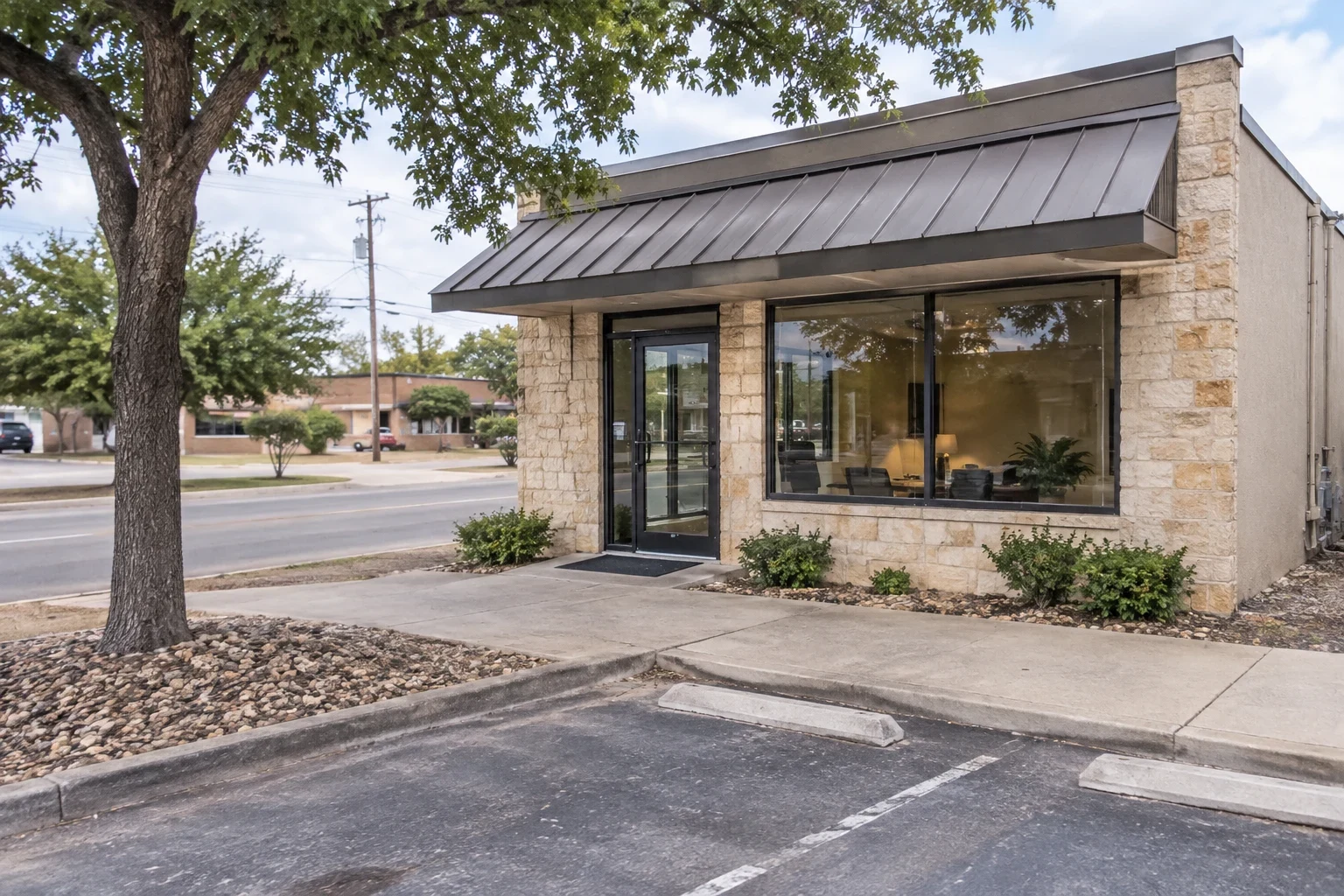
Sit down with us at our office, or handle it by phone and video. Plenty of borrowers never visit in person until closing day.

A Mortgage Lender That Likes Early Calls
Home Loans Round Rock is a local mortgage lender. We work with first-time buyers, move-up buyers, veterans, people who run their own business and investors building a rental portfolio.
The calls we like best come six months before someone wants to buy. That is enough time to raise a credit score, save a little more for the down payment or sort out a tax return. It turns a stressful closing into a routine one.
- License
- NMLS licensed for 10 years
Where We Lend
We work with borrowers across Round Rock and the towns around it. That includes Brushy Creek, Cedar Park, Pflugerville, Hutto, Georgetown and Leander, along with Wells Branch, Manor, Santa Rita Ranch and Steiner Ranch. Some of the outer areas may qualify for USDA loans, which we can check by address.
- Round Rock
- Brushy Creek
- Wells Branch
- Cedar Park
- Pflugerville
- Hutto
- Georgetown
- Leander
- Manor
- Santa Rita Ranch
- Steiner Ranch
Because we meet by phone and video too, you don't need to live close to our office to work with us.
Questions Borrowers Ask Us
Something not covered here? (512) 955-5203
How early should I talk to a loan officer?
Three to six months before you want to buy is a good window. That gives time to fix credit issues, save more for the down payment and gather documents. If you are ready now, we can still start right away.
What's the difference between pre-qualification and pre-approval?
Pre-qualification is a quick look based on what you tell us. Pre-approval means we have checked your credit and income documents. Sellers and agents take a pre-approval letter much more seriously.
How much do I need for a down payment?
It depends on the loan. VA and USDA loans can allow no down payment for borrowers who qualify, FHA allows a small one, and conventional loans vary. You will also need money for closing costs, which we estimate for you in writing.
I'm self-employed. Can I still get a home loan?
Yes. If your tax returns show a strong income, a conventional loan may work. If write-offs make your income look low on paper, a bank statement loan uses your deposits to qualify you instead.
Can I tap equity without refinancing my first mortgage?
A HELOC lets you borrow against your equity and keep your current first mortgage and rate. Texas limits total borrowing against a primary residence to 80 percent of its value, so we check that number first.
Will checking my credit hurt my score?
A mortgage credit pull can cause a small, short-term dip. Several mortgage inquiries in a short window are generally treated as one, so comparing lenders won't stack up damage.
Can you lock my rate today?
We can give you rate quotes when you call, but a lock usually happens once you have a property under contract. We will talk through lock length so it covers your closing date.
How a Loan Runs With Us
The steps are the same for most loans. Starting early just gives each step more room.
- 1
First phone call
We talk about what you want to buy or refinance, your timeline and your rough budget. If it makes sense, we start pre-qualification right there.
- 2
Pre-approval and planning
You send pay stubs, tax returns or bank statements, and we review credit. You leave with a pre-approval letter and a short list of anything worth fixing before you shop.
- 3
Offer and application
Once you have a contract, we complete the full loan application, order the appraisal and send your written loan estimate.
- 4
Underwriting
The underwriter checks the file and may ask for an extra document or two. We tell you exactly what is needed and why, so you can send it once.
- 5
Closing
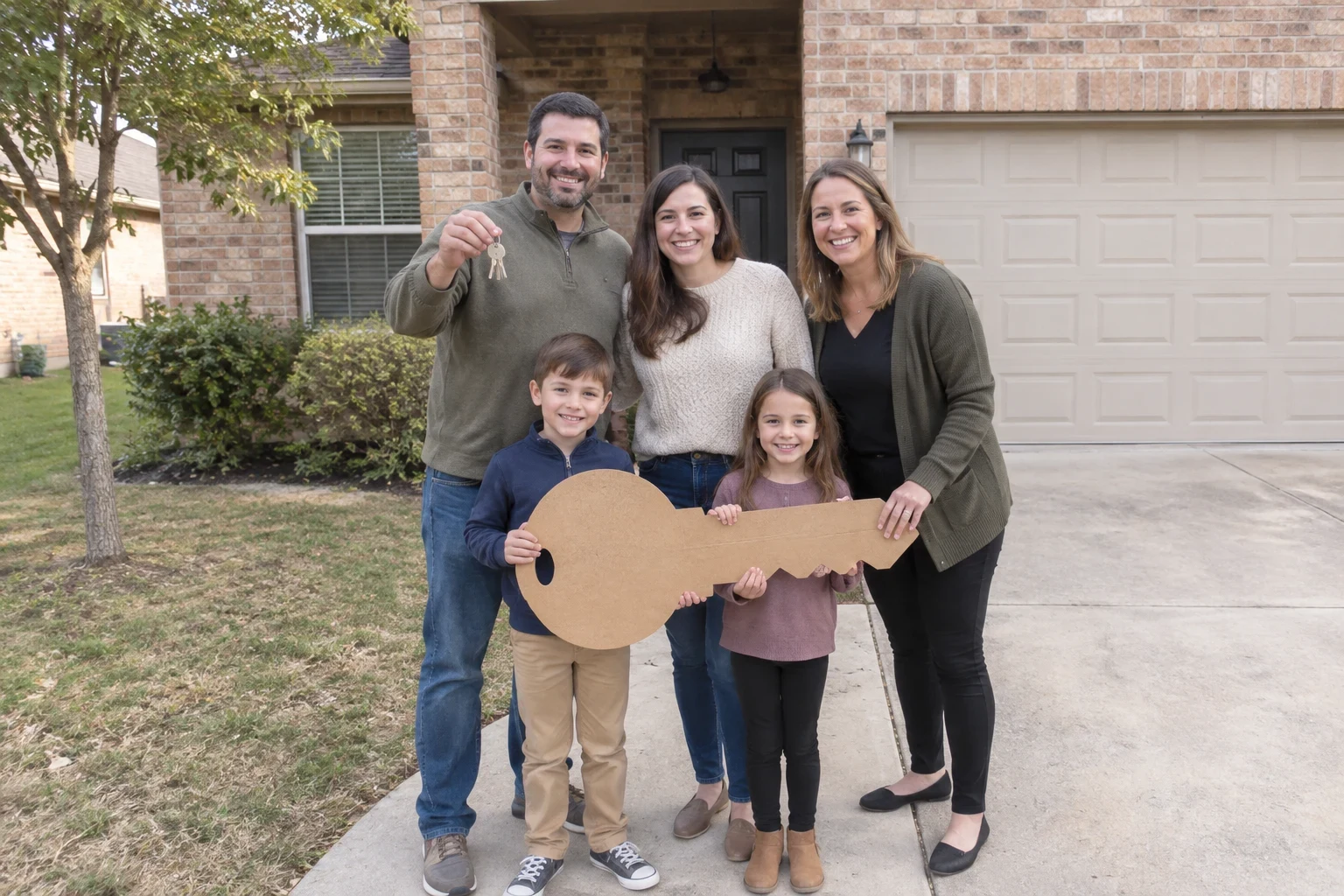
You review the closing disclosure ahead of time and compare it to your estimate. Then you sign at the title company and get your keys or your funds.
Start Planning Your Loan Now
A short phone call gets your loan application or pre-qualification moving. You will know where you stand and what to work on before you shop.